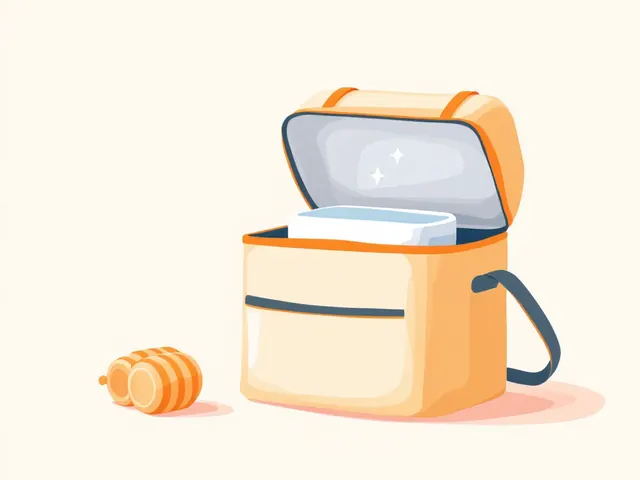
The daycare bag is the item parents get wrong most often, and the mistake is almost always the same: buying too big. A roomy bag feels sensible when you are packing at home. Then it meets the cubby, and the cubby wins.
This guide covers what size actually fits, what goes inside at each age, and whether your toddler needs a backpack at all.
The size problem nobody warns you about
Two facts from our directory pull in opposite directions, and the bag sits between them.
First, the day is long. Of the 10,848 providers with recorded hours, 56.5% are open eleven hours or more. That is a full working day plus commute, and it means meals, a change or two of clothes, nap bedding and a comfort item all travel with your child.
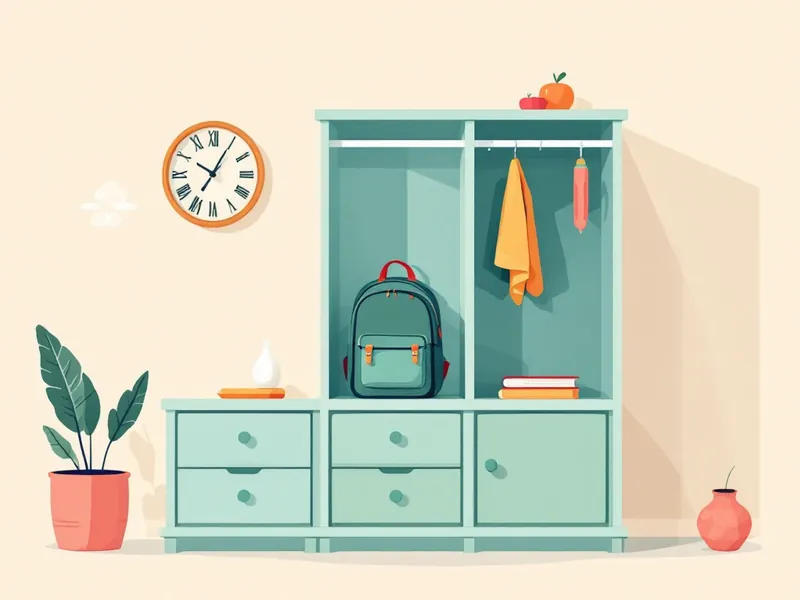
Second, the space is small. Of 155,271 providers with a licensed capacity on file, 21.2% are licensed for 20 children or fewer and 10.8% for twelve or fewer — home-scale programs where storage is a shelf or a hook, not a locker. Even in bigger centers, a cubby is typically about the size of a shoebox turned on its side.
So you need to carry a lot, into somewhere very small. That tension is the whole design brief for a daycare bag.
Does a toddler actually need a backpack?
Under about 18 months
Usually no. Infants and young toddlers are not carrying anything themselves, so a soft tote or a compact diaper bag that fits the cubby is more practical than a structured backpack.
Around two and up
Yes, and it is worth it — not because the child needs the capacity, but because carrying their own bag is part of the routine centers build. A child who hangs up their own bag is doing the first step of the drop-off independently.
Preschool
Almost always required, and often specified: many preschools ask for a backpack that fits a folder or a change of clothes flat. Ask before buying.
What size backpack for daycare?
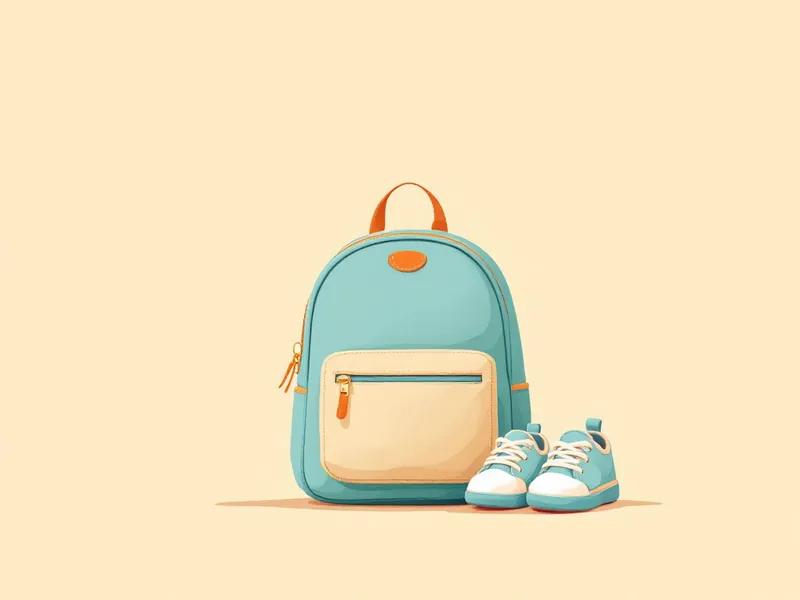
The rule of thumb
For toddlers, roughly 10 to 12 inches tall. For preschool, 12 to 14 inches. Anything larger is buying for a school-age child who does not exist yet.
Check the cubby, not the child
The binding constraint is the cubby opening, not your child’s back. Ask the room lead for the cubby dimensions before you buy — it takes one message and saves a return.
Why a smaller bag actually holds more
A bag that fits the cubby stays in the cubby. An oversized one gets left on the floor, under a bench or on a hook where it tips out. Fit is not a cosmetic issue.
Weight matters more than volume
A child who carries their own bag should be carrying something light. Heavy canvas and chunky hardware add weight before anything goes inside.
What goes in the bag, by age
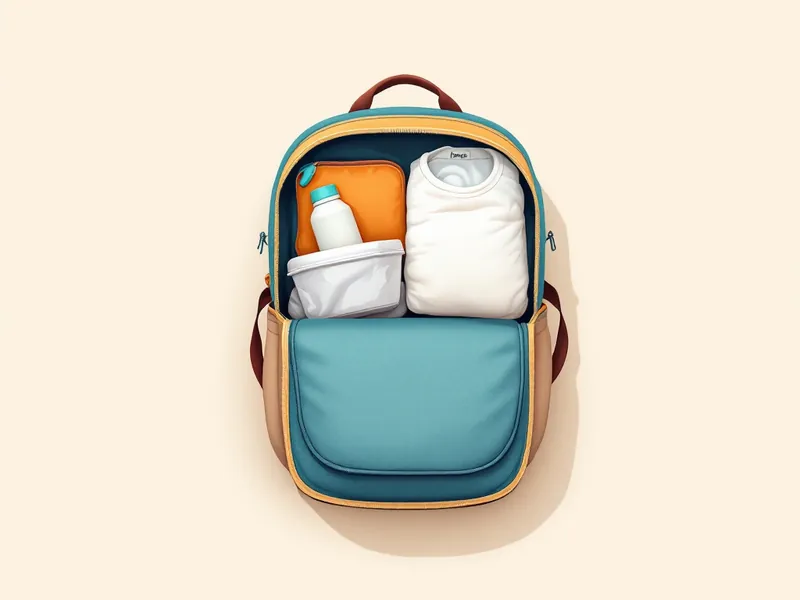
Infants
Bottles for the day, formula or expressed milk, diapers and wipes, two full changes of clothes, a sleep sack if the center uses one, and any medication with its paperwork. Everything labeled, because in the infant room mix-ups are a safety issue — see our guide to labels that survive the dishwasher.
Toddlers
Two changes of clothes (three during potty training), diapers or pull-ups, a water bottle, comfort item, weather gear, and nap bedding if the center asks families to supply it.
Preschoolers
One change of clothes, water bottle, lunch if not provided, weather gear, and whatever the program sends home — folders and art come back daily and need somewhere to go.
The thing everyone forgets
A wet bag. Soiled clothes come home most weeks, and without a sealed pouch they go in with clean spares. One small waterproof bag solves it permanently.

Features that matter, and features that do not
Wide opening
A bag that opens flat lets staff find things in seconds. Narrow drawstring openings mean someone digs, and digging is how items end up in the wrong cubby.
Wipeable lining
Milk leaks, snacks crush, and something will eventually spill. A wipe-clean interior extends a bag’s life by a year.
An outside bottle pocket
Keeps a leaking bottle away from clean clothes. Elastic side pockets are more useful than any internal organiser.
A single large compartment
Sounds counterintuitive, but many small pockets slow staff down. One clear main space plus a bottle pocket beats a dozen compartments.
Chest strap for walkers
If your child carries the bag, a chest clip keeps the straps from sliding off small shoulders.
Check for recalls before you buy second-hand
Children’s bags, bottles and carriers are recalled more often than parents realise, usually for small parts or drawstrings. The Consumer Product Safety Commission recall database is searchable and takes a minute — worth doing for any hand-me-down bag with cords, clips or detachable charms.
What does not matter
Laptop sleeves, wheels, expensive fabric and elaborate branding. None of it survives contact with a toddler, and wheels do not fit cubbies at all.
How heavy is too heavy?
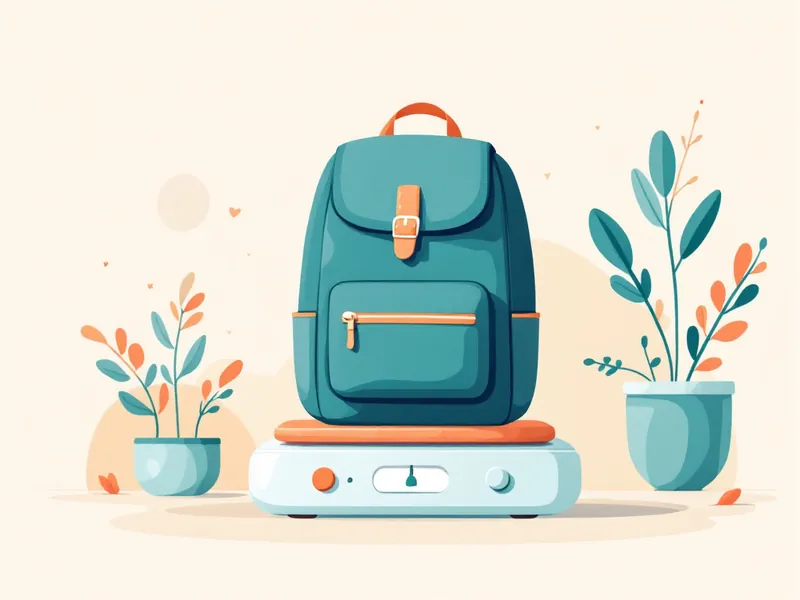
Once a child carries their own bag, weight stops being a detail. Paediatric and orthopaedic guidance is consistent: a packed backpack should stay under roughly 10 to 20 percent of the child’s body weight, and lower is better for the youngest children. The American Academy of Pediatrics and the American Academy of Orthopaedic Surgeons both publish the same core advice.
What that means in practice
A 30-pound two-year-old should be carrying about three pounds — a change of clothes, a light water bottle and a comfort item. That is it. Water bottles are heavier than parents expect, and a full one alone can be most of the allowance.
Two straps, always

Both shoulder straps, worn wide and padded, spread the load. Single-strap and messenger styles put uneven pressure on a small frame — fine for an adult carrying the bag, not for a child wearing it.
Pack heavy things closest to the back
Water bottle and lunch box against the spine, soft items in front. It is the same rule adults use for hiking packs, and it matters more at small sizes.
Let the center carry the load
Most items — nap bedding, bulk diapers, spare shoes — can live at the center and be restocked weekly rather than carried daily. Ask what can stay; it is usually more than parents assume. The federal childcare.gov resource is a useful starting point for understanding what licensed programs provide and document.
Diaper bag or dedicated daycare bag?
Using your existing diaper bag
Fine at first, and cheaper. The drawback is that it usually travels with you, so anything left inside is not at daycare when it is needed.
The case for a separate bag
A dedicated bag stays packed. You restock it in the evening, it lives by the door, and drop-off becomes a two-second task rather than a search.
What most families settle on
A compact backpack for daycare, plus the diaper bag for outings. Two bags with different jobs, neither one overloaded.
Packing routine that survives the morning
Restock at night, not at 7am
Repack the moment you unpack. Soiled clothes to the wash, clean spares straight back in, bottles to the kitchen.
Keep a permanent floor
Wet bag, spare socks and a folded plastic bag live in the bottom and never leave. That layer is what saves you on the day everything else went wrong.
Keep the bag clean, not just the contents
The bag itself moves between home, car and classroom every day. Wipe the base weekly and wash it monthly — guidance from child care health consultants at the University of North Carolina treats shared personal items as part of a program’s hygiene routine, and the bag is the item that touches every surface.
Label the bag itself
Not just the contents. Bags in one style are common, and the bag is the item most likely to go home with the wrong family.
Photograph the packed bag
Once. It becomes the checklist you can hand to a partner or grandparent doing drop-off.
What we would buy, in order
- A 10 to 12 inch backpack for toddlers, or 12 to 14 for preschool — confirmed against the cubby size.
- A wet bag, the cheapest high-value item on this list.
- A leak-resistant water bottle that your child can open alone.
- A second set of spares that lives in the bag permanently.
Before the first day, label everything — our label guide covers what survives washing, and if your center asks for bedding, the nap mat guide explains the rules mats have to meet. The full supply checklist by age lists the rest.
Frequently asked questions
Does my toddler need a backpack for daycare?
From around age two, usually yes — most centers ask for one so children can manage their own belongings. Below eighteen months a compact tote or diaper bag is more practical, since the adult is carrying it anyway.
What size backpack is right for daycare?
Around 10 to 12 inches tall for toddlers and 12 to 14 for preschoolers. The real limit is the cubby opening, so ask the center for dimensions before buying.
Can I use my diaper bag for daycare?
Yes, though most families end up with two bags: one that stays packed for daycare, one for outings. A shared bag means the daycare supplies leave with you.
What should be in a daycare bag?
Spare clothes (two sets, three in potty training), diapers or pull-ups, bottles or a water bottle, weather gear, comfort item, a wet bag, and nap bedding if the center asks for it. Everything labeled.
How many changes of clothes does daycare need?
Two full sets for most ages, three during potty training. Centers usually keep them in the cubby, so they need to be compact — rolled, not folded flat.
What is a wet bag and do I need one?
A small waterproof pouch for soiled clothes. Yes — without one, wet items travel home pressed against clean spares, and the spares are then unusable.
Do preschoolers need a backpack?
Almost always, and some programs specify a size that fits a folder flat. Check the handbook, because a bag that cannot hold the folder gets replaced within a month.
How do I stop the bag going home with the wrong family?
Label the outside of the bag, not only the inside. Popular styles repeat across a room, and staff match bags by sight during a busy pick-up window.
This guide contains affiliate links. If you buy through them we may earn a commission, at no extra cost to you. It never affects which providers we list or how they are ranked.