Every daycare hands you the same instruction on day one: label everything. What they do not tell you is that most labels fail — not because parents forget, but because a sticker that survives a lunchbox does not survive a bottle sterilizer, and a marker that survives one wash disappears by the third.
This guide covers what actually holds up — from baby bottle labels to daycare name labels for clothing and gear — what the label types really mean, and the one labeling rule that is a safety requirement rather than a convenience.
Why unlabeled things disappear: the numbers behind the problem
Parents underestimate the scale of the room their child walks into. We pulled the capacity figures from our own directory of 183,906 licensed child care providers across 53 states and territories, and the picture is clear:
- The median center is licensed for 58 children. The average is 64.
- 56.8% of centers are licensed for 50 or more children.
- 19.8% — roughly one in five — are licensed for 100 or more.
- Only 21.2% are small settings of 20 children or fewer.
Put a plain sippy cup into a room that shares space with 57 other children, and it is not lost — it is simply unidentifiable. This is also why “I will just remember which one is ours” fails: the staff member handing it back has no way to know.
The labeling rule that is about safety, not tidiness
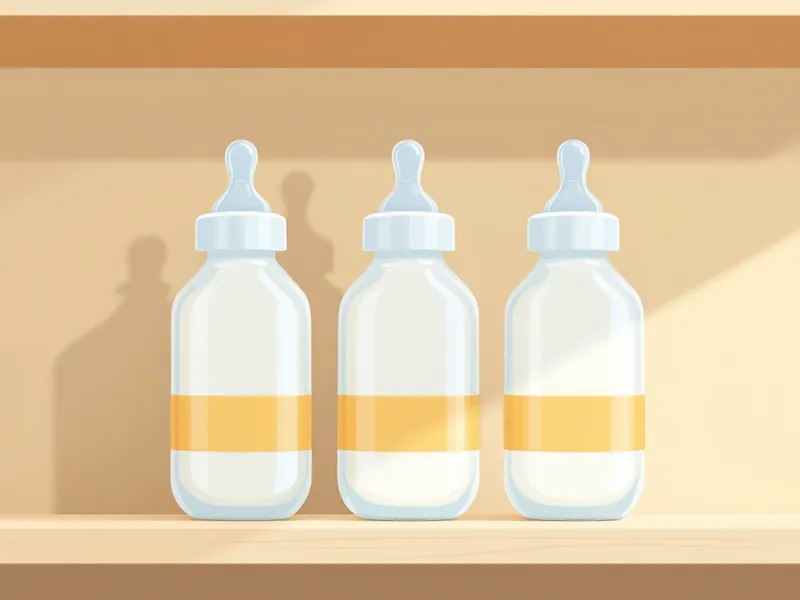
For bottles, labeling is not a housekeeping preference. National child care health guidance — the National Training Institute for Child Care Health Consultants (UNC), which summarises the Caring for Our Children standard that most state licensing rules draw from, and federal milk-handling guidance — is specific: a bottle should carry the child’s name and the date, and that milk should go only to that child.
What most centers require on a bottle
In practice, centers ask for four things:
- The child’s full legal first and last name — not a nickname, because two Emmas in one room is common.
- The date it was prepared or brought in.
- The contents — breast milk, or which formula.
- The volume, where the center asks for it.
Why the requirement exists
In a room with several infants, several feeding schedules and several bottle types, the label is the last line of defense against the wrong bottle reaching the wrong baby. For a child with a dairy allergy or formula intolerance, that mix-up is a medical event, not an inconvenience. That is the reason a permanent, legible label matters more than a pretty one.
“Waterproof” does not mean what you think
This is the single most expensive misunderstanding in the category. Manufacturers use four different durability claims, and they are not interchangeable:
Waterproof
Survives splashes, spills and hand-washing. Says nothing about heat. Plenty of waterproof stickers curl and peel the first time they meet a dishwasher’s drying cycle.
Dishwasher-safe
Tested against repeated hot-water cycles and the heated dry stage, which is what usually destroys labels. If your bottles go in the dishwasher — and at daycare they generally do — this is the claim you need.
Sterilizer- and microwave-safe
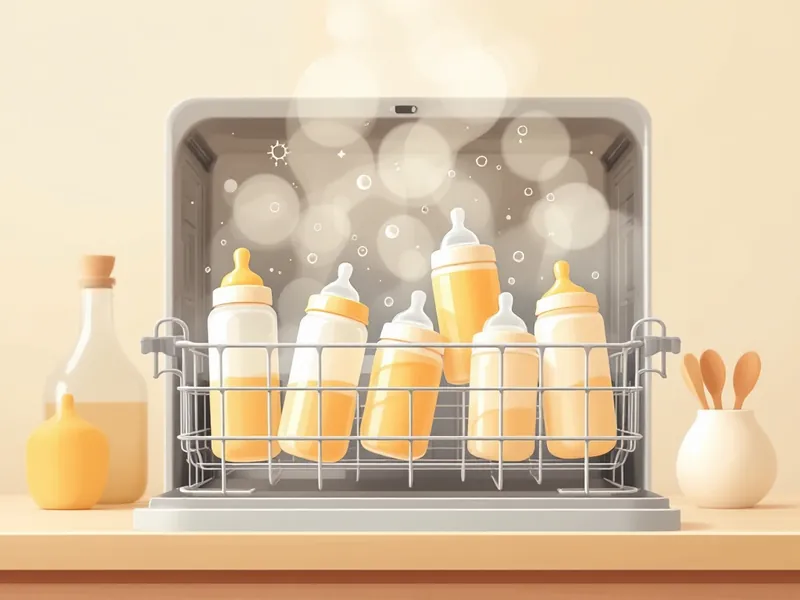
Steam sterilizers and bottle warmers run hotter and wetter than a dishwasher. Infant gear needs this claim specifically; it is the harshest test a label faces.
Laundry-safe
A separate promise entirely, for fabric. A dishwasher-safe bottle sticker will not survive a tumble dryer, and a clothing label will not survive a sterilizer. Buy for the job.
The practical rule: match the claim to the harshest thing the item goes through. For daycare that usually means sterilizer-safe for bottles, and dryer-safe for clothing.
Label types, and what each one is actually for
Self-laminating labels
A printed layer plus a clear film you fold over the top. The film takes the abrasion, so these are the most durable option for bottles, sippy cups and lunch containers. Slightly fiddly to apply, worth it on anything that gets washed daily.
Standard vinyl stickers
Peel and stick, no lamination. Fine for lunch boxes, backpacks and nap mats; on a bottle that gets sterilized twice a day they are the ones most likely to lift at the edge.
Silicone bottle bands
A stretchy ring that slides onto the bottle, usually with a raised or written name. Nothing to peel, survives anything, and moves between bottles — but the name area is small and some centers dislike them because they can hide the volume markings.
No-iron fabric labels
Stick-on labels made for clothing tags. Modern versions are the practical winner for most families: no heat, no sewing, and the good ones are rated for dozens of wash cycles. They need a smooth care-tag to bond to.
Iron-on labels
Bonded with a household iron. Very durable once applied correctly, but application is unforgiving — too little heat and they lift, too much and they scorch synthetics.
Write-on and blank labels
Cheapest option, and the right one when the information changes daily — which is exactly the case for a bottle’s date and contents. Many families run both: a permanent name label plus a write-on strip for the date.
Shoe and boot labels
Sold separately for a reason — they need an adhesive that copes with flexing and grit. Regular stickers peel off shoes within a week.
Best labels for baby bottles
For bottles the priority order is: sterilizer-safe → legible → replaceable date field. Self-laminating labels and silicone bands both work; a plain vinyl sticker generally does not last.
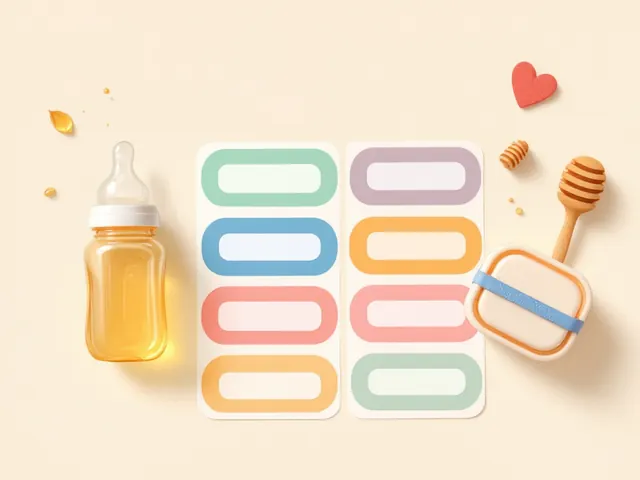
The pack most parents can start with is a waterproof dishwasher-safe name label set — enough labels to cover bottles, cups and containers at once, which matters because centers ask you to label all of them, not just the bottle.
What to check before you buy
- Does it explicitly say dishwasher and sterilizer safe, not just waterproof?
- Are the labels sized for a curved surface? Long straight labels wrinkle on narrow bottles.
- Is there a write-on area for the date, or will you need a second label?
- Does the set include enough for two weeks of rotation — most families need more than they expect.
Best labels for clothing
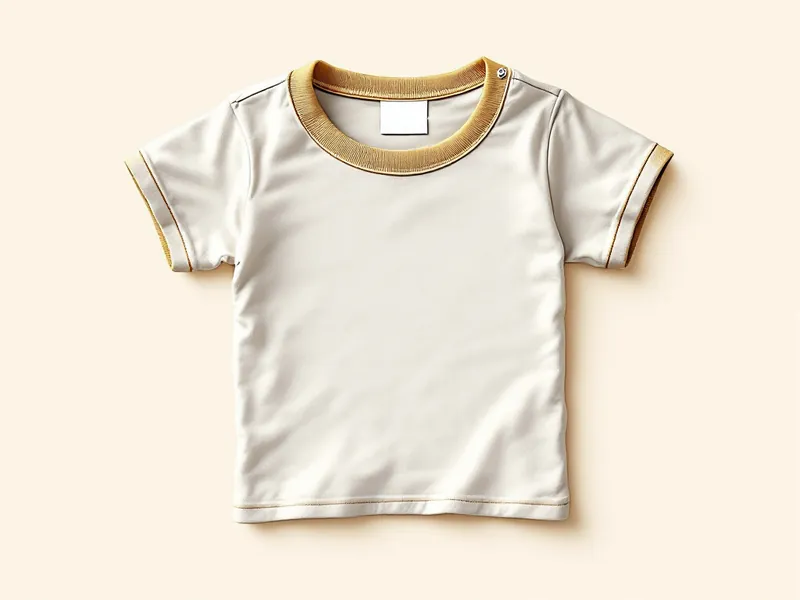
Clothing has the opposite problem: heat is not the enemy, repeated tumbling is. No-iron fabric labels applied to the care tag are the least-effort option that survives; iron-on is the most durable if you apply it properly.
Where to place a clothing label
On the care tag, not the fabric — it survives longer and does not irritate skin. If a garment has no tag, most no-iron labels can go on the inside waistband seam.
How many you actually need
Count the outfits that leave the house, then double it. Spare clothes bags, jackets, hats and sweaters all need one, and the spares are exactly what goes missing.
How to label the awkward items
These are the items parents ask about most, and where generic advice falls apart.
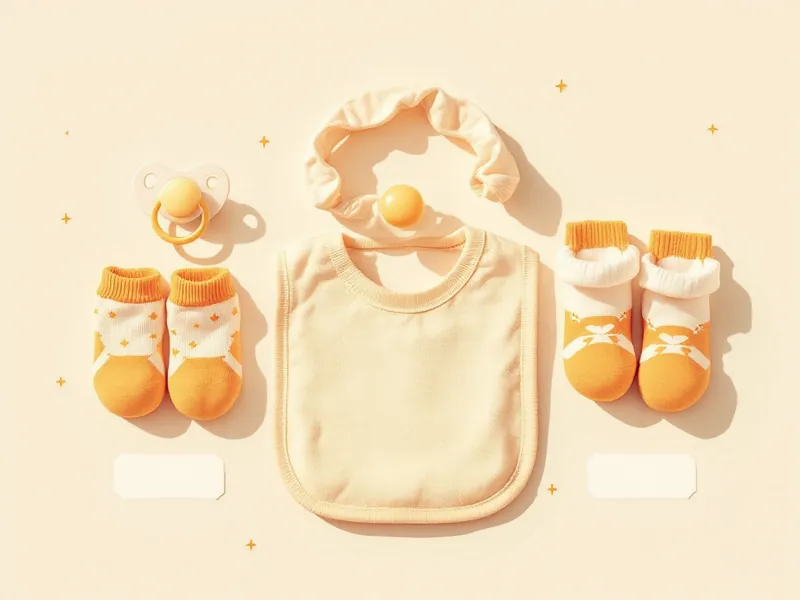
How to label socks
Fabric labels do not hold on knit. Use a laundry-safe stamp or a fabric marker on the sole, or buy socks in one colour so a stray one is at least identifiable.
How to label bibs
Silicone bibs take a vinyl sticker on the back; fabric bibs take a no-iron label on the neck strap, which is the part that survives washing best.
How to label a pacifier
Never put a sticker on anything that goes in the mouth. Label the clip or case instead, and check your center’s rules — many require pacifiers to be stored in a named case rather than loose.
How to label blankets and nap bedding
A no-iron or sew-in label at the corner. Nap items go through industrial-style laundering at some centers, so this is where iron-on earns its keep.
How to label bottle caps and lids
Lids separate from bottles at wash-up and get mixed constantly. A small round sticker on the top of the cap, or a silicone band, keeps the set together.
How to label shoes
Purpose-made shoe labels inside the tongue. Writing on the sole wears off within days.
DIY methods — what works and what does not
Permanent marker
Works for a week or two on plastic, then fades with washing. Acceptable as a stopgap, not a system.
Masking tape and a pen
Fails in the dishwasher immediately and leaves adhesive residue. Centers dislike it because it peels into the sink.
Nail polish and coloured tape
Good for telling your two bottles apart at home; useless in a room where staff need a readable name.
Label maker tape
A label maker is better than masking tape, but standard cartridges are not dishwasher-rated — the print survives, the adhesive does not. Check for a laminated, dishwasher-safe cartridge if you go this route.
What we would buy, in order
- One sterilizer-safe name pack for bottles, cups and containers — the highest-failure category, so buy the durable option first.
- No-iron fabric labels for clothing, sized for care tags.
- A write-on strip or pack for the daily date and contents on bottles.
- Shoe labels, only if your center keeps outdoor shoes on site.
Buying one mixed starter pack is usually cheaper than buying three specialised sets, and it covers the items centers ask about on the first day. Our full daycare supply checklist by age lists everything else you will be asked to bring, and the 30-point tour checklist covers what to ask before you enrol.
Frequently asked questions
Are stickers dishwasher safe?
Only if the packaging says so explicitly. A sticker labelled “waterproof” is tested against water, not against the heated drying cycle that actually lifts adhesive. Look for the words dishwasher-safe, and for infant bottles, sterilizer-safe.
Are label-maker labels waterproof?
Standard cartridges are water-resistant at best. Some brands sell laminated, dishwasher-rated tape specifically — that is the version you need for bottles, and it costs more than the everyday cartridge.
Does “detergent safe” mean dishwasher safe?
No. Detergent-safe refers to contact with cleaning agents, usually by hand. Dishwasher-safe adds sustained heat and pressure. The two claims fail in different ways.
Can you remove iron-on labels from clothes?
Usually yes, by reheating with an iron and peeling while warm, then treating any residue with rubbing alcohol. It is rarely perfectly clean, which is why hand-me-downs are better served by no-iron labels.
Can you iron labels onto polyester?
With care. Synthetics scorch at the temperatures many labels require, so use a lower setting with a pressing cloth, or choose a no-iron label instead.
How do I label bottles for daycare each day?
Keep a permanent name label on the bottle itself, and add a write-on strip for the date and contents each morning. That way the required information is current without re-labelling the whole bottle.
Do daycare centers supply labels?
Some provide masking tape and a marker for bottles; almost none provide durable labels for clothing or gear. Assume labelling is your responsibility unless your handbook says otherwise — your center’s parent handbook is the authority here, and the federal childcare.gov resource explains what licensed programs are generally required to document.
How many labels do I need for daycare?
Count every item that leaves the house — bottles, cups, containers, spare outfits, jacket, hat, nap bedding, comfort item — then add spares. Most families underestimate by about half.
This guide contains affiliate links. If you buy through them we may earn a commission, at no extra cost to you. It never affects which providers we list or how they are ranked.