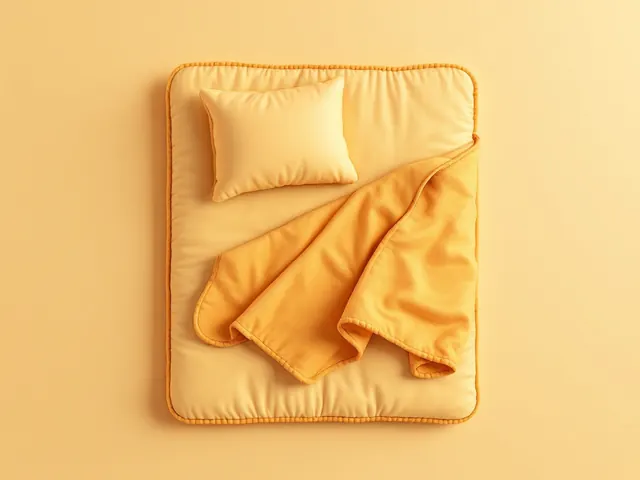
Nap mats look like the easiest item on the supply list. They are not. Buy the wrong one and your center may refuse it — not because staff are fussy, but because licensing rules set minimum requirements for what a child can sleep on, and plenty of cute mats sold online do not meet them.
This guide covers what the rules actually require, how mats differ from cots, what fits, and how to wash the thing once it comes home covered in yoghurt.
Why your center will ask for one
Nap time is not optional in most programs, because most programs run long days. We checked the operating hours recorded for 10,848 providers in our directory:
- 91.5% are open eight hours or longer.
- 79.8% are open ten hours or longer.
- 42.3% open before 7am.
A child who arrives before seven and leaves after five is in care for a working day. A rest period is built into that schedule in almost every program, which is why the mat is on the list even for children who stopped napping at home.

Read this first: mats are not for infants
This is the part product listings never mention. In licensed care, an infant sleeps in a crib — not on a mat, not in a bouncer, not on a cot. State rules generally require a crib meeting Consumer Product Safety Commission and ASTM standards for every infant, and mats or cots only become appropriate once a child is around two, or younger if they can already climb out of a crib.
Why the rule is strict
Soft, padded and inclined surfaces are associated with sleep-related infant death, which is why federal safe-sleep guidance from NICHD is consistent: babies sleep alone, on their back, on a firm flat surface, with nothing else in the sleep space. A padded nap mat is the opposite of that surface.
What this means when you shop
If your child is still in the infant room, you are probably not buying a nap mat at all — you are buying crib sheets. Ask which room your child moves into and when, and buy for that room, not for the one they are in now.
What licensing actually requires of a mat
Here is what most parents never see: the rules are specific about the mat itself, not just about supervision. New Jersey’s child care code is a good example of language used in many states — a mat used for sleep must be:
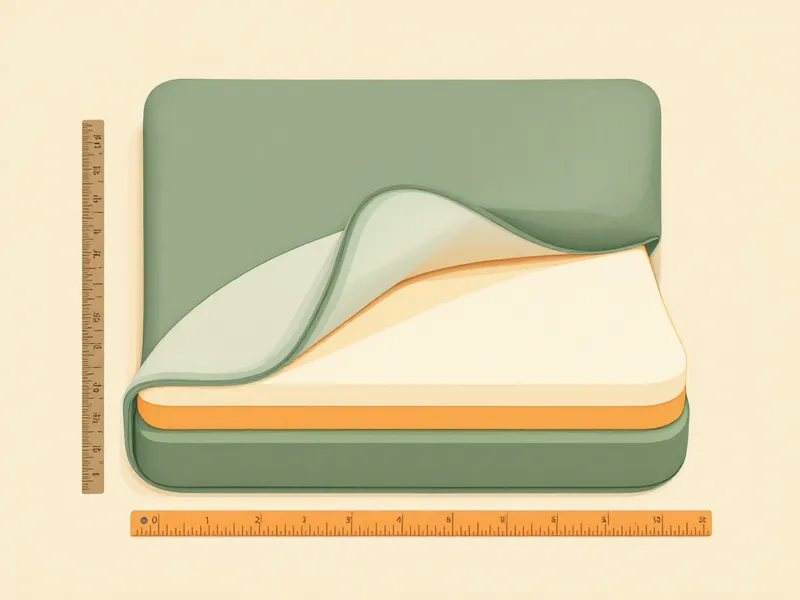
- At least one inch thick. Thin foam roll-ups sold as "nap mats" often are not.
- Water-repellent, so it can be wiped and sanitised.
- Placed on a surface that is warm, dry, clean and draft-free.
- Stored so no mat touches another mat’s sleeping surface, or disinfected after every use.
Centers are also generally required to keep children spaced apart while resting — commonly around 36 inches between sleeping children. You can read the full text of one such rule in the New Jersey administrative code on rest and sleep; your state’s wording will differ in detail but rarely in substance.
The practical takeaway
Before you buy, check two numbers: thickness (one inch minimum, and thicker is more comfortable on a hard floor) and whether the sleeping surface is wipeable. A pure-fabric mat with no water-repellent layer will fail the second test.
Nap mat, cot, or cot sheet? Ask before you buy
This is the single most common wasted purchase. Centers split into two camps, and they need different things from you.

Centers that supply cots
Most larger centers own stackable cots and only ask you to bring a fitted cot sheet plus a blanket. Buying a full nap mat here wastes money and creates a storage problem — some centers will not accept it at all.
Centers that ask for a mat
Smaller programs, home-based providers and some preschools ask families to bring a complete roll-up mat. This is where all-in-one mats make sense.
How to find out
Ask one question at enrolment: "Do you provide cots, and if so what sheet size do they take?" Cot sizes are not standard, and a sheet bought for the wrong frame will not stay on.
All-in-one mats versus separate pieces

All-in-one roll-ups
Mat, attached blanket and small pillow in one piece, usually with a strap or handle. The advantage is that nothing gets separated at the center; the disadvantage is that when one part needs washing, all of it goes in the machine.
A typical example is a multi-piece daycare nap mat set with blanket and pillow, which covers the "bring everything" request in a single purchase.
Separate mat, sheet and blanket
More flexible and easier to launder in rotation, but more pieces to label and more to lose. If your center supplies cots, this is effectively your only option anyway — sheet plus blanket.
Which we would choose
If the center supplies cots: fitted sheet plus a light blanket, two of each so one set is always clean. If the center asks for a mat: an all-in-one, plus a spare blanket kept in the bag.

What to look for before you buy
Thickness and floor comfort
One inch is the floor, not the target. On a hard classroom floor, thicker padding is the difference between a child who settles and one who does not.
Machine washable, and how often
Assume weekly washing at minimum, and more during illness season. Check the mat is machine washable in one piece and, ideally, dryer-safe — air-drying a thick mat takes more than a weekend.
Size and fold
Common toddler sizes run around 50 to 55 inches long. Check it fits both the cot at the center and the cubby it has to live in — cubbies are small, and a mat that does not fit becomes the staff’s problem.
Strap or handle
You will carry it in and out weekly. A strap makes that trivial; without one you will be wrestling a rolled mat in one arm and a toddler in the other.
A washable, replaceable cover
Removable covers extend the life of a mat considerably, because the cover takes the damage and the core stays intact.
How to wash a nap mat

Standard wash
Cold or warm gentle cycle, mild detergent, no fabric softener — softener coats fibres and reduces the water-repellent finish that licensing expects on the sleeping surface.
Drying
Low heat or air-dry. High heat can delaminate foam and shrink covers so they no longer fit the mat.
Between washes
Wipe the surface with soap and water. Centers do this daily on their own cots, and it is the same reason the mat has to be wipeable in the first place.
After an illness
Wash everything, including the strap, and let the mat dry fully before it goes back in a bag — a damp rolled mat grows mildew fast.
Helping a toddler actually sleep on it
Break it in at home
Use the mat for weekend quiet time before it goes to daycare, so the smell and texture are familiar rather than new.
Keep the comfort item consistent
One small, center-approved comfort item that lives with the mat helps far more than a bigger blanket. Check the center’s policy first — many limit what can be on a sleeping surface.
Do not fight the transition alone
Children who never nap on a mat in the first weeks usually settle within a month. Ask the room lead what they see; they have watched dozens of children make the same switch.
What we would buy, in order
- Confirm cot or mat with the center before spending anything.
- Two fitted sheets in the correct cot size, if they supply cots.
- An all-in-one mat with a strap, at least an inch thick and machine washable, if they do not.
- A spare blanket either way — the one item guaranteed to be in the wash on the morning you need it.
Whatever you buy, label it before the first day. Our guide to daycare labels that actually survive covers what holds up on fabric, and the full supply checklist by age lists everything else the center will ask for.
Frequently asked questions
Are daycare cots comfortable?
Reasonably, once a sheet and blanket are on them. Cots keep children off the floor and allow air to circulate, which is why many centers prefer them to mats. Comfort complaints are usually about the thin sheet, not the cot itself.
Can an infant use a nap mat?
No. In licensed care, infants sleep in a crib that meets CPSC and ASTM standards. Mats and cots start once a child is around two, or earlier if they can climb out of a crib — and that decision belongs to the center, not the parent.
How thick should a daycare nap mat be?
At least one inch, which is a common regulatory minimum, and thicker is better on hard floors. Check the listed thickness rather than assuming, because "thick and plush" in marketing copy is not a measurement.
How do you wash a nap mat?
Gentle cycle in cool or warm water with mild detergent, no fabric softener, then low heat or air-dry. Wash weekly, wipe the surface between washes, and wash everything after an illness.
How do you fold a nap mat?
Fold the blanket inward over the mat, then roll from the pillow end so the pillow sits inside the roll, and secure the strap. Rolling with the pillow outside is what makes mats bulge and refuse to fit a cubby.
How long do preschoolers nap at school?
Rest periods commonly run one to two hours, though children who do not sleep are usually allowed to rest quietly with a book after a set time. Policies vary, so ask what happens if your child stops napping.
Do preschoolers still nap?
Many do until around four, and some drop it earlier. Centers still schedule a rest period regardless, because the day is long and the group needs a quiet block — which is why the mat stays on the list.
What size is a daycare cot sheet?
There is no single standard. Cot frames differ by manufacturer, so ask the center for the size or brand before buying, and prefer fitted sheets with elastic all the way around.
Does the center wash the mat?
Usually not — centers sanitise their own cots but send personal bedding home, typically weekly on a set day. Check which day, because that is when you need the spare.
This guide contains affiliate links. If you buy through them we may earn a commission, at no extra cost to you. It never affects which providers we list or how they are ranked.